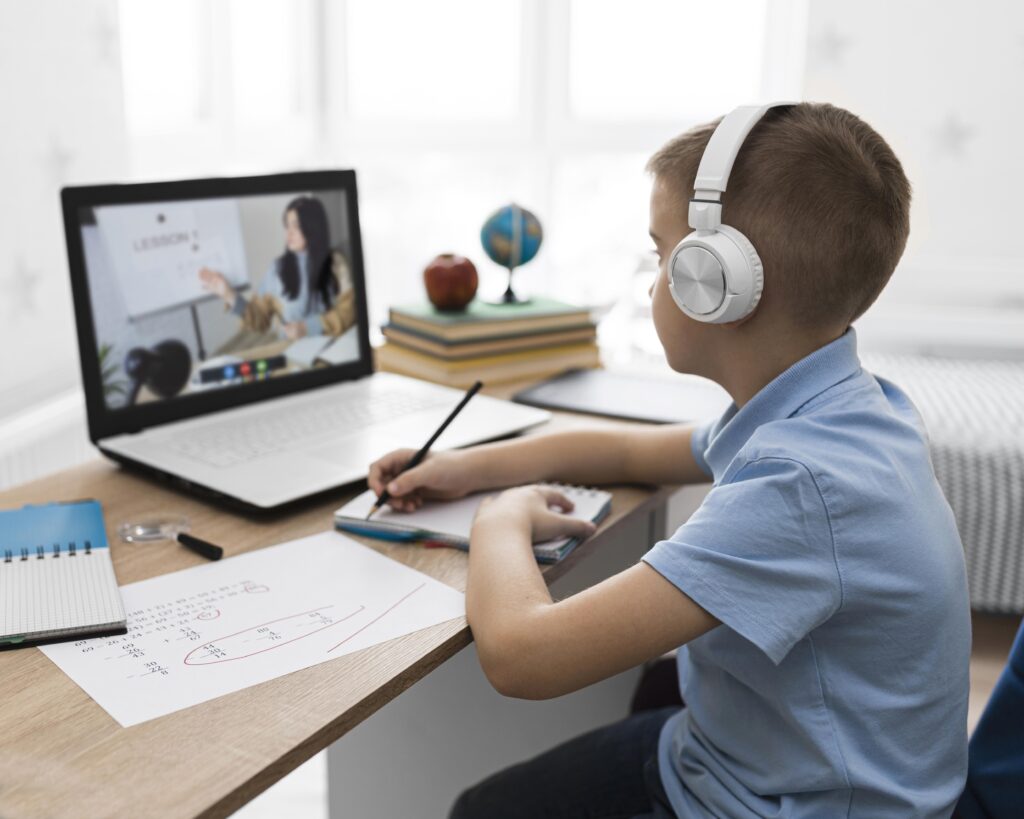
For expat families, finding the right education for their children can be one of the biggest challenges of moving abroad. Traditional schooling often comes with barriers such as language differences, inconsistent curriculums, and availability of places. In recent years, online schools have become an increasingly popular solution. They offer flexibility, consistency, and high-quality learning that fits seamlessly into an international lifestyle.
Consistency Across Borders
One of the greatest advantages of online schools is the continuity they provide. Expat families often relocate due to work commitments, which can mean moving from one country to another every few years. Switching schools repeatedly can be disruptive, both academically and socially.
With an online school, children can remain within the same curriculum and learning environment no matter where in the world the family lives. This consistency helps children stay on track, reduces the stress of adapting to a new school system, and supports long-term educational goals such as exam preparation.
Flexibility for Families on the Move
Expat life is often unpredictable, with frequent travel, new time zones, and different cultural experiences. Online schools provide the flexibility that traditional schools simply cannot match. Lessons can be accessed from anywhere with an internet connection, meaning children don’t have to pause their education when moving or travelling.
Many online schools also allow students to work at their own pace. This flexibility is particularly beneficial for families balancing busy schedules or those living in areas where school hours do not align well with work commitments.
A Global Community of Learners
Another benefit of online schools is the opportunity to join a diverse, international community. Students are able to connect with classmates from across the world, giving them exposure to different cultures and perspectives. For expat children, who may already be navigating a mix of cultures in their day-to-day lives, this can be both comforting and enriching.
Online schools often include interactive group projects, virtual classrooms, and extracurricular clubs, which help students build friendships and social skills in a global context.
Quality Education and Personalised Support
High-quality online schools are staffed by experienced teachers who are trained to deliver engaging digital lessons. Many offer internationally recognised curriculums such as the International Baccalaureate (IB), British curriculum (GCSEs and A-Levels), or American High School Diploma.
In addition, class sizes in online schools are often smaller than in traditional schools, allowing teachers to give more personalised attention to each student. This individual support can be particularly valuable for expat children, who may need extra help settling into a new learning style or catching up after a move.
Supporting Family Lifestyle Choices
Expat families often choose online schools because they align with their lifestyle priorities. Whether the family values more time together, wants to integrate travel into daily life, or prefers to live in remote areas where local schools are limited, online education offers a practical and effective solution.
For families with multiple children, online schooling also makes it easier to coordinate learning across different age groups, ensuring that every child’s education is managed in one place.
For expat families, online schools provide stability, flexibility, and access to quality education regardless of location. They reduce the disruptions caused by frequent moves, create a supportive global community, and give families the freedom to shape their own lifestyles without compromising their children’s learning.
In a world where mobility is increasingly common, online schools are not just a practical option—they are an excellent choice for expat families seeking consistency and opportunity.