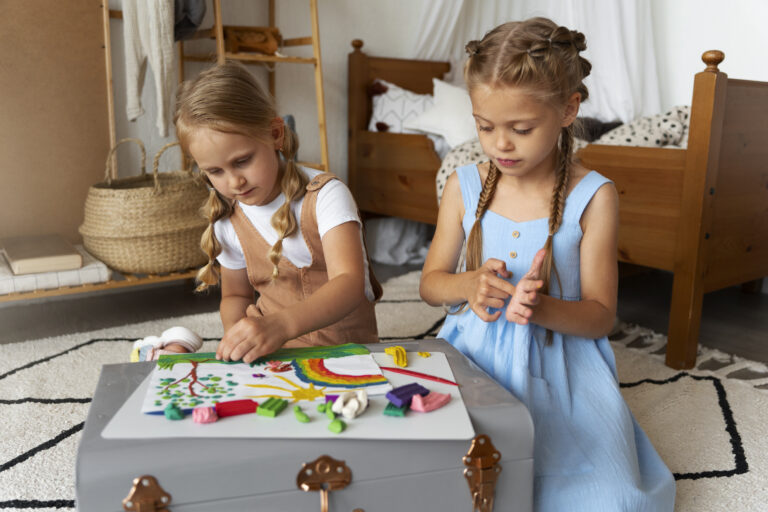
Confidence is one of the most valuable qualities a child can develop. A healthy sense of self-belief allows them to take on challenges, build friendships, and navigate setbacks with resilience. While some children are naturally outgoing, confidence is a skill that can be nurtured and strengthened over time. Here are some practical ways you can support your child in growing into a confident, self-assured individual, inspired by the practices of this private school in North London.

Encourage Effort Over Perfection
Children often feel pressure to achieve flawless results, whether in schoolwork, sports, or creative activities. By celebrating their effort rather than the outcome, you help them understand that mistakes are part of the learning journey. For example, instead of saying “You’re so smart,” try saying “I love how hard you worked on that.” This reinforces the idea that perseverance is more valuable than perfection.
Offer Opportunities for Independence
Confidence thrives when children feel trusted to make decisions and handle tasks on their own. Start small—allow them to choose their clothes, help prepare dinner, or organise their school bag. As they grow, encourage them to take on more responsibilities. These small acts of independence build self-reliance and show them that their contributions matter.
Celebrate Strengths and Interests
Every child has unique talents and passions. Recognising and nurturing these strengths is key to boosting confidence. Whether your child excels at painting, enjoys problem-solving, or shows kindness towards others, make sure they know these qualities are valued. Providing them with opportunities to explore their interests—such as joining a club or trying out a new hobby—can give them a sense of achievement and pride.
If your child enjoys outdoor play, encourage that and invest in an outdoor area that lets them explore and play how they wish. Jeux d’extérieur have a great range of outdoor toys to suit all ages and abilities. Fresh air and exercise is also great for children’s mental health and wellbeing.
Teach Positive Self-Talk
Children often mirror the way adults speak about themselves. By modelling positive self-talk and encouraging your child to do the same, you help them develop a strong internal voice. If they say, “I can’t do this,” guide them to reframe it as, “This is tricky, but I can try.” Over time, this habit will strengthen their resilience and belief in their abilities.
Create a Safe Space for Mistakes
Fear of failure can hold children back from trying new things. Remind your child that mistakes are natural and part of growth. Share your own experiences of times when things didn’t go as planned and what you learned from them. This reassures them that setbacks are temporary and provides valuable lessons in problem-solving and perseverance.
Show Consistent Love and Support
Perhaps the most powerful confidence boost comes from knowing they are loved unconditionally. Be consistent with praise, encouragement, and support, even when they face difficulties. A strong foundation of love at home gives children the security to take risks, step out of their comfort zones, and trust in themselves.
Building confidence doesn’t happen overnight—it’s a gradual process shaped by encouragement, patience, and positive experiences. By focusing on effort, independence, and resilience, you can help your child develop the self-belief they need to thrive both now and in the future. Remember, every small step towards confidence is a victory worth celebrating.