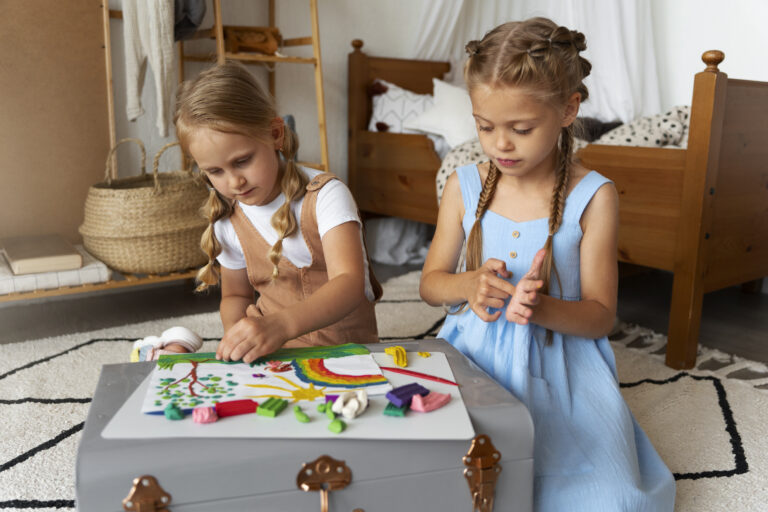
In an age where screens dominate attention and emotional intelligence is more important than ever, journaling offers a simple yet powerful way for children to connect with their thoughts, feelings, and experiences. Whether it’s a private diary, a gratitude log, or a creative writing notebook, journaling can unlock incredible benefits for a child’s development and wellbeing.
We’ve teamed up with an independent secondary school to explore why encouraging your child to keep a journal might be one of the best habits they can adopt.

1. Emotional Expression & Self-Regulation
Children often struggle to articulate their feelings, especially during times of change, stress, or excitement. Journaling gives them a safe, judgment-free outlet to process emotions.
- Helps children understand what they’re feeling and why.
- Encourages emotional intelligence and reduces anxiety.
- Promotes mindfulness and the ability to pause and reflect.
Putting feelings into words can be a powerful tool for managing big emotions.
2. Boosts Confidence & Self-Esteem
When children see their thoughts written down, it gives them a sense of importance and validation. Journals can serve as a personal space where their opinions, dreams, and experiences truly matter.
- Reinforces their sense of identity and self-worth.
- Encourages self-reflection and positive self-talk.
- Helps track progress in personal or academic goals.
“I wrote that!” can be a powerful source of pride for young writers.
3. Improves Literacy & Communication Skills
Regular journaling naturally supports reading and writing development, especially for younger children.
- Expands vocabulary and sentence structure.
- Enhances storytelling and descriptive writing skills.
- Builds fluency and writing stamina.
Unlike structured schoolwork, journaling allows for creativity without pressure—making writing more enjoyable and less intimidating.
4. Sparks Creativity & Imagination
A blank page is a world of possibilities. Children can explore ideas freely, write stories, draw pictures, or dream up fantastical worlds—all within the pages of a journal.
- Encourages problem-solving and creative thinking.
- Fosters originality and a love for expression.
- Inspires goal setting, visualisation, and dreaming big.
From poetry to doodles, there’s no wrong way to journal.
5. Creates a Lasting Keepsake
Looking back through old journals can bring a sense of nostalgia and growth. Children can see how they’ve changed over time—emotionally, mentally, and creatively.
- Helps build a timeline of milestones, achievements, and challenges.
- Serves as a treasured memory for years to come.
- Can be a bonding experience when shared with family later on.
Each journal becomes a personal time capsule of childhood.
Tips to Encourage Journaling in Children
- Make it accessible: Provide fun journals with colourful covers, stickers, or prompts.
- Keep it pressure-free: Emphasise that grammar and spelling don’t matter—just expression.
- Be supportive, not invasive: Respect their privacy unless they choose to share.
- Use prompts: Simple starters like “Today I felt…,” “I wish…,” or “The best part of my day was…” can inspire regular writing.
Journaling is more than just writing—it’s a tool for growth, healing, creativity, and connection. By encouraging this gentle habit, we give children a lifelong gift: the ability to tune in to their inner voice and express it confidently. So, grab a notebook, let them pick their favourite pen, and start turning thoughts into something truly powerful.